
A Guide to the Changeover to South Africa’s Smart Driving Licence
In South Africa, the digital driving licence is a big step forward in technology. Instead of just plastic cards, drivers will be able to use a secure digital identity that is linked to a national database. This new system says it will check things in real time during traffic stops and other checks. Officials say it will speed up renewals and cut down on cases of document duplication fraud. Drivers will also benefit from having access to a mobile wallet, which will let them safely store their licenses on their phones. The change is meant to make things more open and bring South Africa in line with how other countries are using digital technology to run their governments.
How the Digital Licence Rollout Will Change Things for Drivers

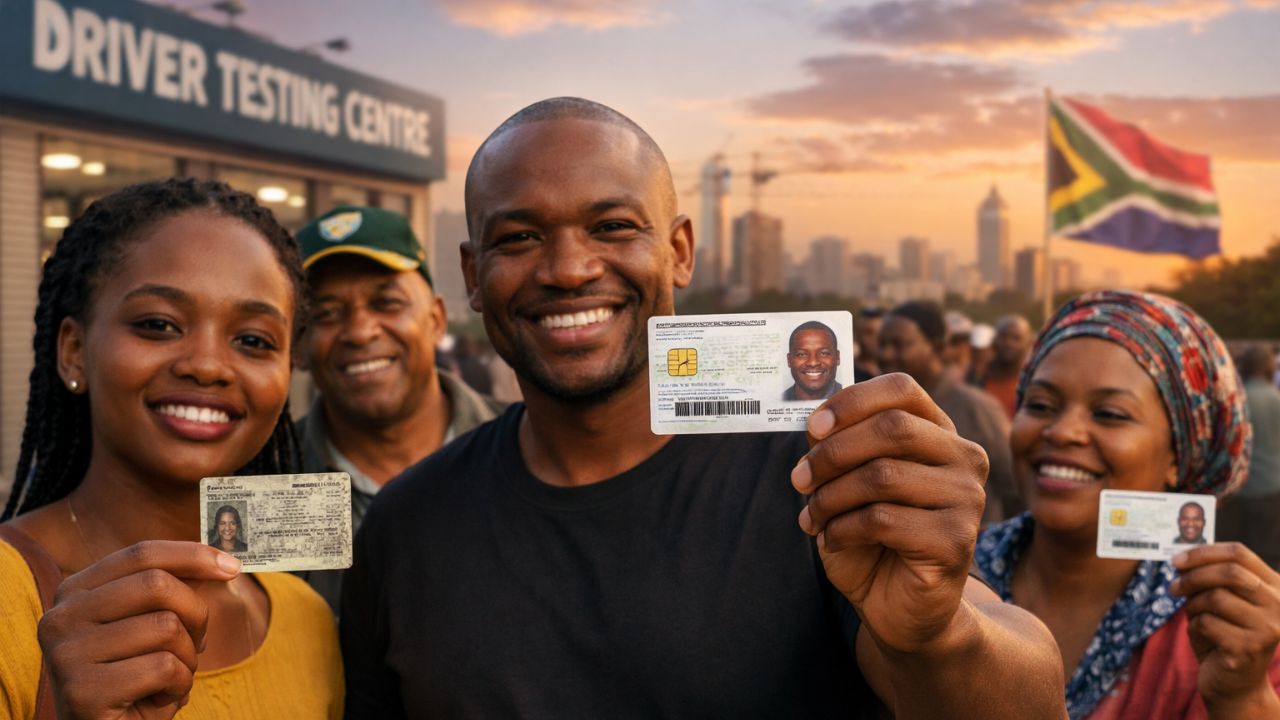
Smart licenses will be available in 2026, which will make things easier for regular drivers by cutting down on trips to licensing centers. The Department wants to avoid putting too much strain on the system by rolling it out in stages across the province. During the transition period, a dual system approach will keep both physical and digital formats valid. Officials have said that scanning technology will make roadside checks more thorough, which will help police do their jobs better. Drivers will also get automated reminders to renew their licenses, which will help them stay in compliance without having to worry about it at the last minute. The goal is to make it easier, faster, and more reliable to get a licence in South Africa.
Smart licence cards: What’s in store for the future, their benefits, and their safety
The digital driving licence project is based on better security and smarter integration. Using biometric data integration makes it easier for authorities to check a driver’s identity and lowers the risk of impersonation. You can also keep all of your driver’s records in one place with the system. This makes it easier and more accurate to make changes. Experts say that in the long run, it might help countries that are next to each other recognise each other across borders. The digital format also means that old card printers are less likely to slow down production. In general, this change shows that we are going in the right direction toward a transportation system that is more efficient and uses technology.
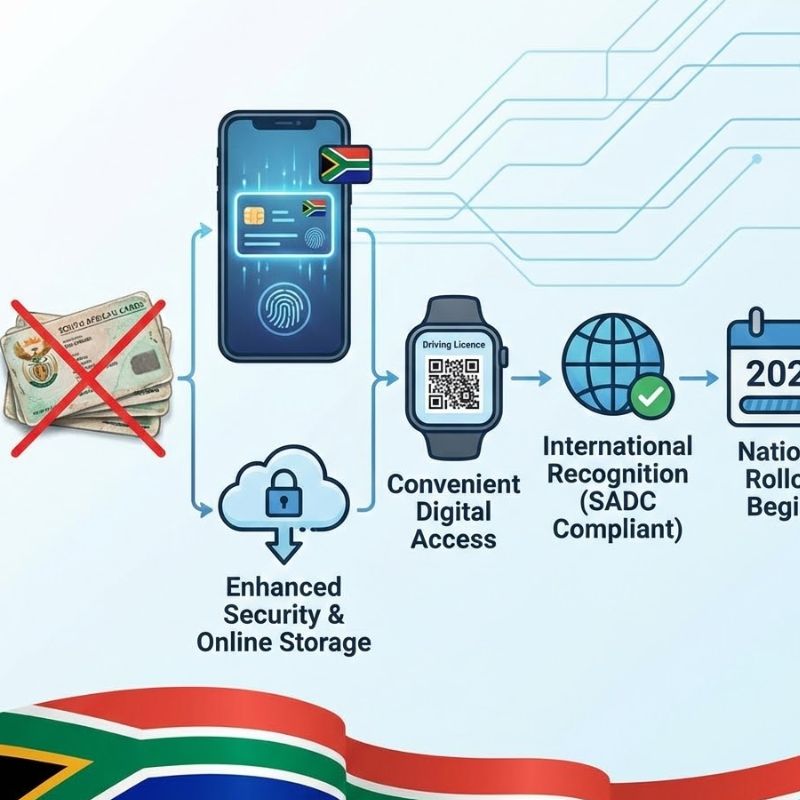
What the change to digital licenses in 2026 means for South Africa
As part of its larger effort to modernise, South Africa has decided to stop using traditional driving licence cards. Some drivers may not be sure at first, but it’s clear that streamlined digital services are good for everyone. Long-term benefits are faster processing times, less fraud, and better enforcement. To make sure that drivers know how to make the switch smoothly, the authorities are putting a lot of work into public awareness campaigns. As the program spreads across the country, it will only work if data is kept safe and the infrastructure is updated regularly. The smart licence rollout could change how South Africans use transport services if it is done correctly.
Frequently Asked Questions (FAQs)
1. When will the digital driving licence start to be available?
The phased rollout will begin in 2026 across South Africa.
2. Are the old licence cards still valid?
Yes, both formats will still work during the transition period.
3. Do drivers need a smartphone to get the digital licence?
A smartphone is the best way to get digital access, but there may be other ways.
4. Is the new system safer than the old card?
Yes, it has biometric verification and better ways to stop fraud.